Best Smoked Beef Ribs: Cuts, Technique, and Picks
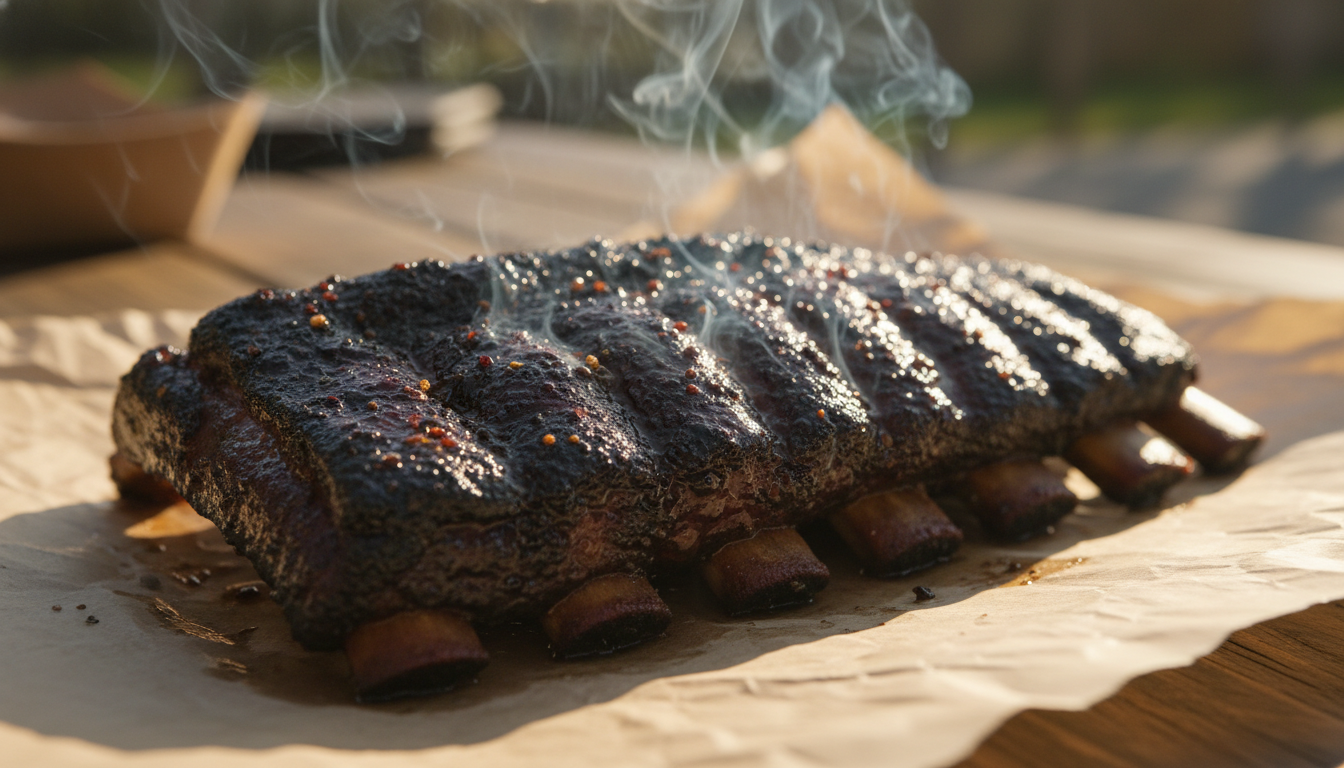
Beef ribs are one of the few cuts where the pellet grill genuinely shines over every other method. The question most people are actually asking isn’t just which recipe to follow — it’s which cut to buy and how to cook it so it doesn’t come out tough or dry. Here’s what you need to know.
The Cut Makes or Breaks the Cook
There are two cuts worth your time: beef plate short ribs (NAMP 123) and beef back ribs. They’re not interchangeable, and most disappointment with smoked beef ribs comes from confusing one for the other.
Plate short ribs — sometimes sold as “dino ribs” — are the ones you see in competition BBQ photos. They come from the short plate section (ribs 6–8), carry enormous amounts of intramuscular fat, and render down into something close to brisket in texture. A three-bone rack can weigh 4–6 lbs and feed two to three people easily.
Beef back ribs are what’s left after the ribeye is removed from the rib section. Most of the meat sits between the bones, not on top, which is why they’re cheaper and cook faster. They’re still excellent — just don’t expect that thick cap of meat you see on plate ribs.
If you can only find one at your local butcher or Costco, go with plate short ribs. They’re worth the price difference.
Seasoning: Don’t Overthink It
Beef this rich doesn’t need a complex rub. The fat does most of the flavor work.
A classic approach:
- Coarse kosher salt — apply 12–24 hours ahead if possible, or right before the cook
- Coarse black pepper — 50/50 salt-to-pepper by weight is a legitimate starting point
- Garlic powder — optional, but a light dusting adds depth without competing
Some pitmasters add a thin binder of mustard or Worcestershire to help the rub stick. On a fatty cut like plate short ribs it barely matters — the surface fat grabs the seasoning on its own. Skip the sugary rubs here; the cook is long and hot enough that sugar scorches.
Temperature and Time on the Pellet Grill
Set your pellet grill to 250°F–275°F. Lower than that and you’re adding hours without meaningful benefit. Higher and you risk tightening the exterior before the fat has time to render.
Plate short ribs typically run 8–10 hours at 250°F. Pull them when the internal temperature hits 200°F–205°F and a probe slides through with zero resistance — the temperature number matters less than that “probe tender” feel. Don’t rush this step.
Beef back ribs cook faster — usually 5–6 hours at the same temperature. Same probe-tender test applies.
Wood choice matters. For beef ribs, go with something assertive:
- Post oak is the Texas standard and the right call for plate ribs
- Hickory adds a stronger smoke flavor and pairs well with the salt-and-pepper rub
- Cherry or apple alone is too mild; blend with oak or hickory if you want a touch of sweetness
On most pellet grills, you’re getting indirect heat automatically, which is the right setup. If your grill has a direct-flame mode or sear function, leave it off for this cook.
Wrapping or Not Wrapping
The wrap debate is real. For plate short ribs specifically, most experienced pitmasters skip the foil wrap — the high fat content keeps the meat moist through the stall, and wrapping can soften the bark you spent hours building.
That said, if you’re cooking beef back ribs and they’re starting to look too dark around hour four, a loose butcher paper wrap (not foil) at the stall — usually around 160°F–170°F internal — protects the exterior without steaming the meat.
Never wrap plate short ribs in foil. You’ll get a braised texture instead of a smoked one.
Resting and Slicing
Rest matters more than most people realize. After pulling from the grill, wrap the ribs in butcher paper, then a towel, and hold them in a dry cooler for at least 45 minutes — up to 2 hours is fine. This lets the muscle fibers relax and the juices redistribute.
Slice between the bones with a sharp knife. On plate short ribs, each bone is its own individual serving. On back ribs, you can cut them individually or leave as a rack.
Serve with nothing or with a simple sauce on the side. A cut this good doesn’t need to be dressed up.
Gear and Pellet Picks
Any pellet grill with consistent temperature control works here. The Traeger Ironwood 885, Weber Smokefire EX6, and Pit Boss Pro Series 1150 all hold 250°F reliably and have enough grate space for a full rack of plate ribs.
For pellets, Lumberjack Competition Blend (oak, hickory, cherry) is a strong all-purpose choice for beef. Bear Mountain Gourmet BBQ and Knotty Wood Almond are worth trying if you want something less mainstream.
Bottom line: Buy plate short ribs, season with salt and pepper, smoke at 250°F until probe tender, and skip the foil wrap. That’s the whole recipe — everything else is refinement.